Plan an island or regional trip
Check the last return service, weather, communications and access to essentials before traveling beyond your everyday base.
By ExpatShield Editorial · Last reviewed
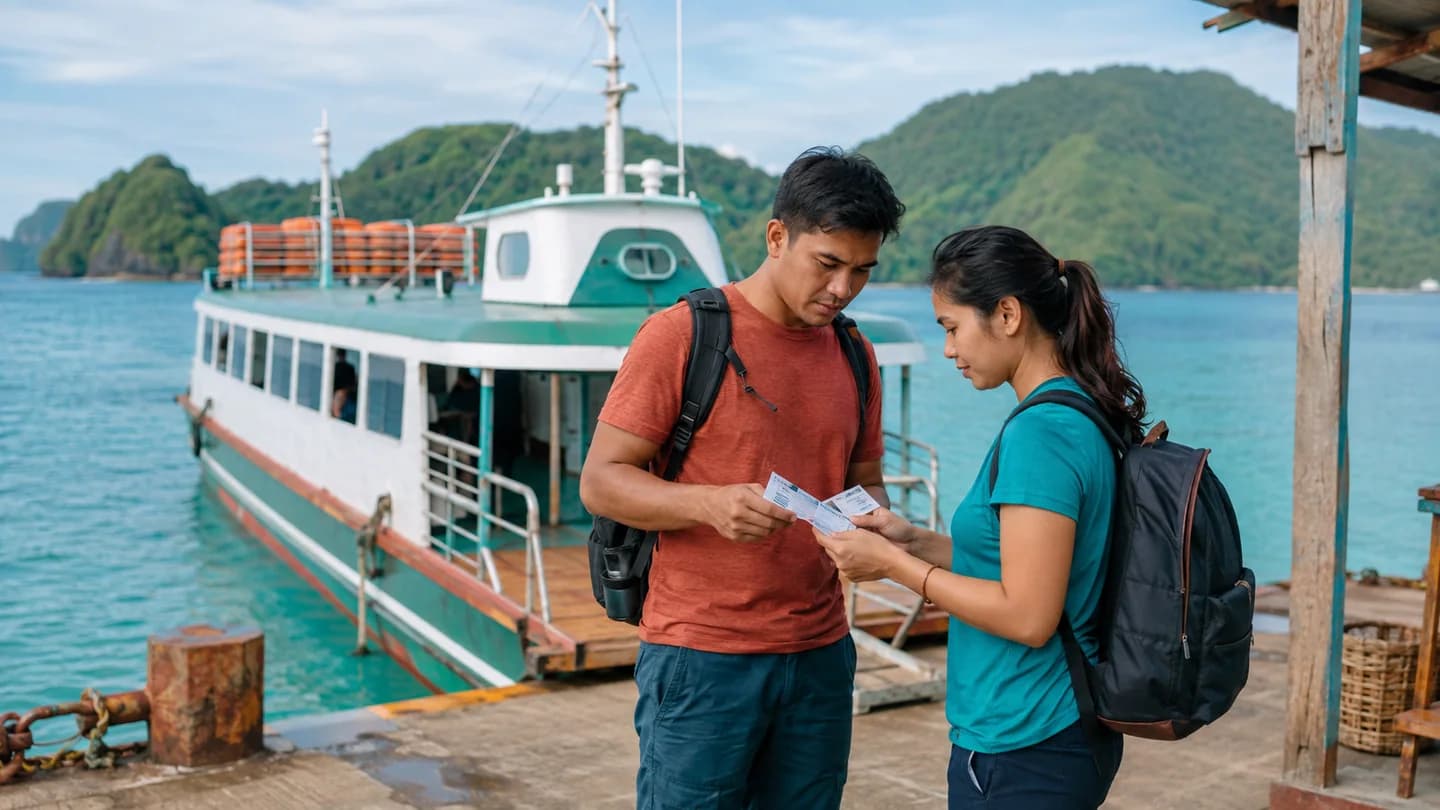
Make the destination specific
Write down the island, municipality, accommodation and the route you will actually take. Include every flight, road journey and boat transfer. A destination may be easy to describe but require several operators and a final leg with different hours. Ask the accommodation for practical arrival directions, then verify ticket and sailing details directly with the operator.
Use DOT regional contacts for official destination orientation. Check your government's current advisory for the exact area and transit route; restrictions or cautions for one place should not be generalized into a claim about every island or an entire region. A scenic video helps you imagine a visit, but it does not establish the services available on your travel dates.
Set a go or postpone checklist
| Before departure | Decision question |
|---|---|
| Return travel | What is the last usable service and what if I miss it? |
| Weather | Which rain, sea, flood or wind advisory affects this route? |
| Communications | Can I contact the accommodation and a trusted person if mobile signal fails? |
| Money and supplies | Can I pay and obtain the essentials my household needs? |
| Health access | Where is relevant care and how would I get there? |
Check PAGASA advisories appropriate to the route, along with operator and local instructions. Wind signals alone do not describe every hazard. Reconfirm close to departure and be prepared to postpone if an essential leg or safe fallback is uncertain. Treat that decision as ordinary trip planning, not a failed holiday.
Plan the overnight you did not intend
Identify where you could stay if the return boat, bus or flight does not operate. Keep enough accessible funds for the plausible extra stay and transport, based on actual options you have checked. Take prescribed supplies appropriate to your needs after discussing the trip with your clinician; do not assume a particular medicine or service will be available locally.
If you have an important appointment or onward international journey, compare the cost of a buffer day with the consequence of missing it. Avoid writing a schedule that works only if every leg is on time. Confirm accommodation cancellation terms before making nonrefundable commitments across several operators.
Keep a simple communication plan
- Save addresses, bookings and useful maps offline.
- Agree a check-in time and what a missed check-in should trigger.
- Carry a practical charging option and protect essential papers from water.
- Tell your trusted contact about major itinerary changes.
- Recheck the return service while you still have alternatives.
Limit public sharing of your accommodation and travel movements if you prefer privacy. Local guidance, current advisories and your household's needs should determine the final choice. This is travel information only; no destination list can guarantee access, safety or operating transport on a given day.
Read next
Plan everyday and inter-island transport · Make a local emergency contact plan.
Check the PAGASA gale-warning card against both ends of the route. Relocation and field support can help organize alternatives around a move; no itinerary removes weather or operator uncertainty.
Sources and direct attribution
- Department of Tourism regional offices accessed September 5, 2026
- PAGASA tropical cyclone wind signals accessed September 5, 2026
- U.S. State Department Philippines information accessed September 5, 2026