Your rental move-in inspection
Record the condition of the unit, meters and inventory at handover, with a clear list of defects and agreed repairs.
By ExpatShield Editorial · Last reviewed
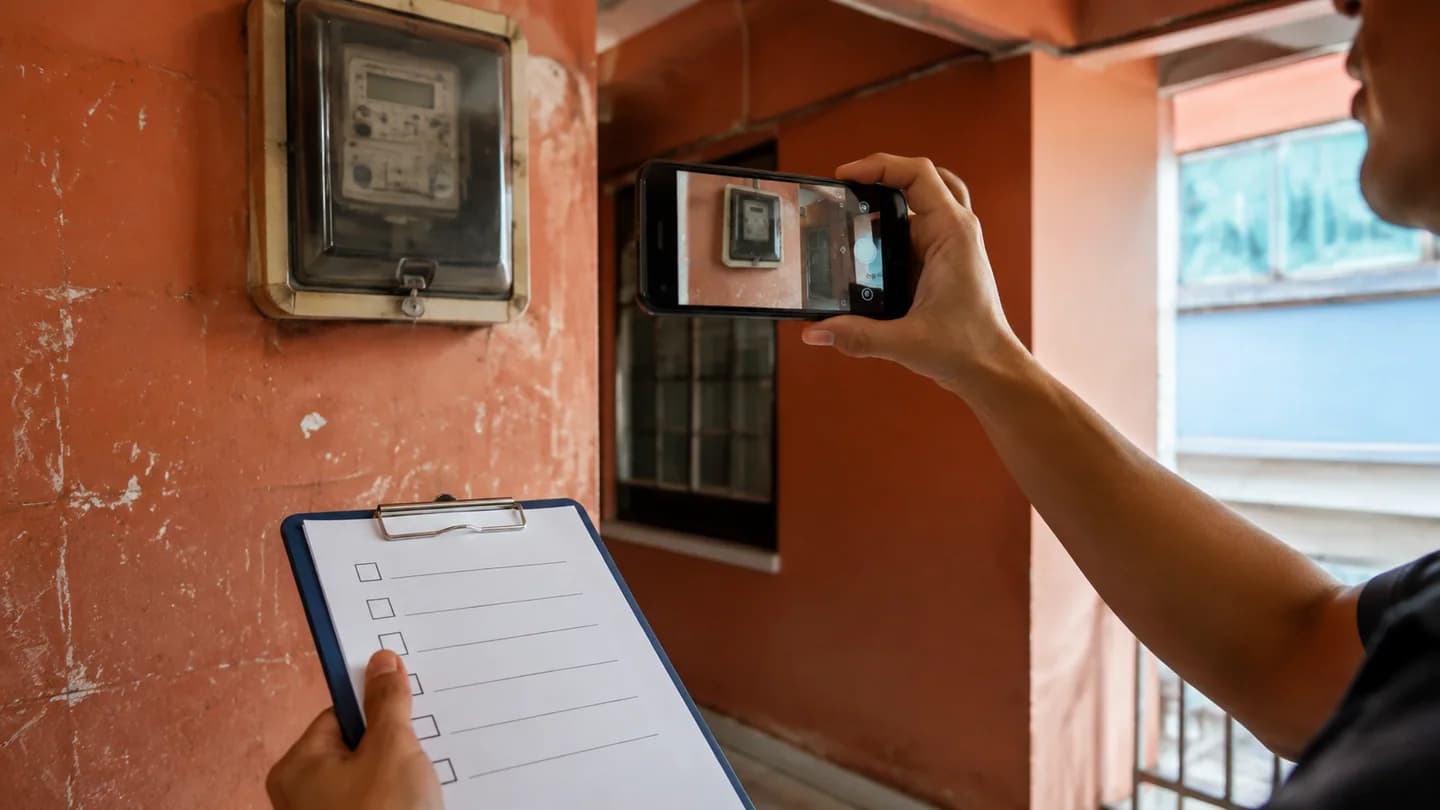
Arrange time for a real handover
Ask for a handover when the unit has electricity and water available for testing and when the lessor or authorized representative can review findings with you. Bring the agreed inventory, contract, a charged phone and a simple notes sheet. If someone is inspecting for you, agree which checks they can do and which require a professional.
Begin with the exact unit number and the keys or access cards you receive. Compare the supplied furniture and appliances with the signed inventory. Note any item that has changed since the viewing. A photograph is most useful when it identifies the room, item and date; take an overall view as well as close-ups so the location of a defect is clear later.
Work through one room at a time
| Check | Record |
|---|---|
| Walls, ceilings and floors | Stains, cracks, damage and signs of leaks |
| Doors, windows and locks | Which open, close and lock correctly |
| Taps, toilets and drainage | Water flow, leaks and drainage problems |
| Included appliances | Model or inventory identifier and test result |
| Meters | Readings, meter identifiers and who pays from handover |
| Furniture and small items | Quantity, condition and missing pieces |
Ask before operating unfamiliar equipment. Do not dismantle electrical fittings or perform hazardous tests. If something suggests a serious building or electrical problem, ask for a qualified inspection and a clear resolution before occupancy rather than treating a quick test as certification.
Turn observations into an agreed list
For each defect, write the location, what you observed, who is responsible and the agreed repair date. Separate cosmetic damage already present from a fault that prevents normal use. Ask both parties to acknowledge the list and retain a copy. If they disagree about an item, record the disagreement plainly instead of quietly removing it from your notes.
Clarify how repair access will be arranged and how to report a fault discovered after moving in. Keep receipts for any authorized expense you incur; approval to arrange a repair and approval to deduct its cost from rent are different questions. Get the applicable agreement before making either assumption.
Close the handover loop
Confirm utility account arrangements, rubbish collection, deliveries, building contacts and emergency exits. Use official hazard information to prompt questions about local evacuation and weather planning, without treating it as a property inspection. Save the building's instructions somewhere reachable without internet.
Keep the signed contract, payment receipts, inventory and dated photographs together. Near move-out, compare the unit with this record and follow the inspection and notice process in your agreement. This is practical housing information only, not a legal determination about deductions or deposit return. Clear records make a later conversation more specific; they cannot guarantee how a dispute will be resolved.
Read next
Check a rental before paying · Prepare your home for emergencies.
If a property relies on a tank or private water source, use the water-laboratory card to arrange appropriate sampling before drawing conclusions. Water and off-grid systems starts with source, demand and site questions rather than an equipment shopping list.
Sources and direct attribution
- PAGASA tropical cyclone wind signals accessed September 5, 2026
- PHIVOLCS hazard maps accessed September 5, 2026