Questions to ask before buying health cover
Compare policy wording, exclusions, renewal and claims arrangements before choosing insurance, an HMO or an assistance product.
By ExpatShield Editorial · Last reviewed
Find out what the product actually does
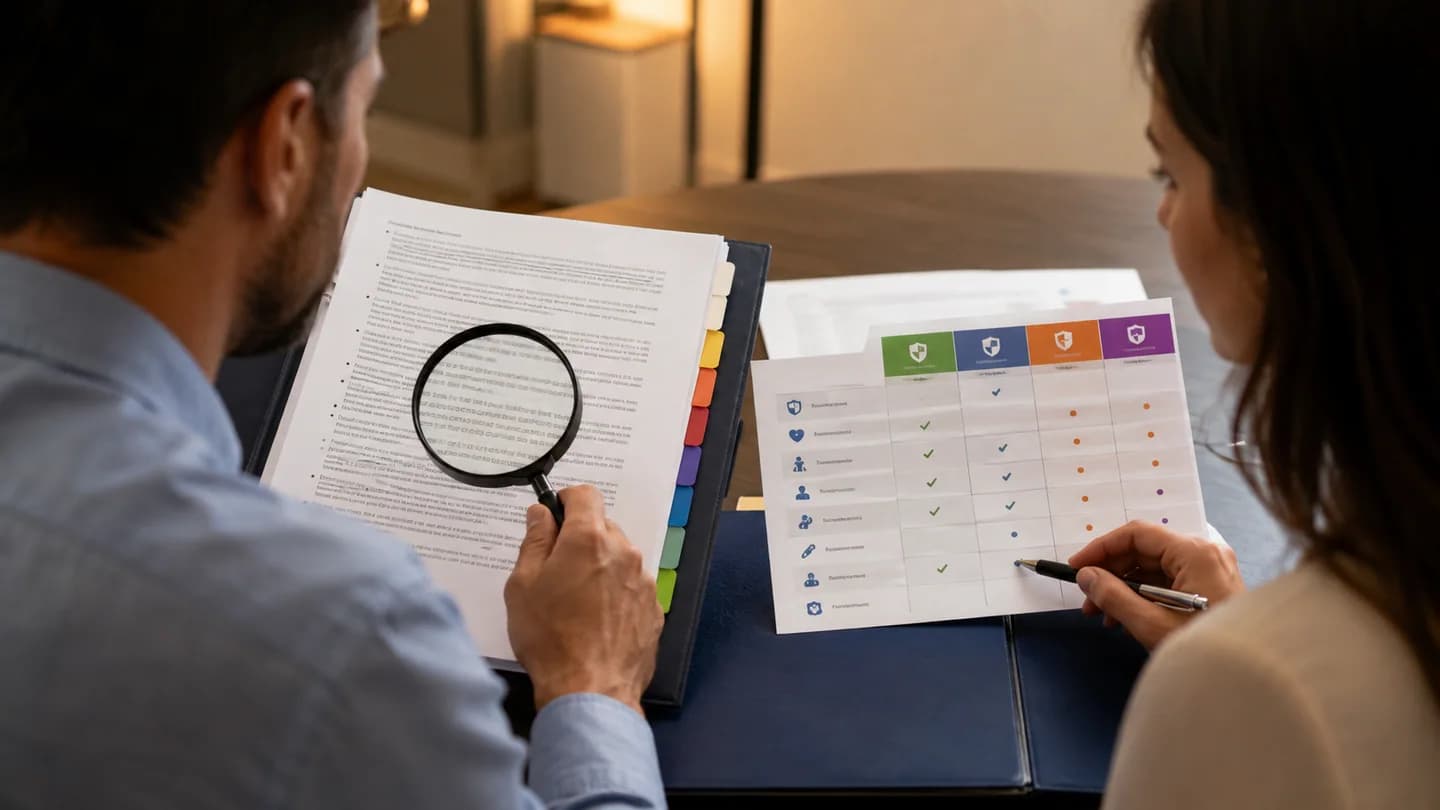
Start with the full product name and the organization responsible for paying or arranging care. Insurance, an HMO arrangement and an assistance service can have different roles. Similar marketing language does not make them interchangeable. Ask for policy wording, a benefits schedule, exclusions and the claims process before choosing a plan.
Use the Insurance Commission's regulated-entities directory to locate the latest applicable insurer or HMO list. Check the correct legal entity, not just a sales brand. The directory is a verification route, not an endorsement of a particular policy or confirmation that it covers you. Give the provider accurate information about residency, age, medical history and intended travel so its answer addresses your situation.
Compare the difficult questions
| Topic | Get a written answer |
|---|---|
| Territory and residence | Where am I covered, and does my status affect eligibility? |
| Medical history | How are declared pre-existing conditions assessed or excluded? |
| Cost sharing | What deductible, co-payment, limit or waiting period applies? |
| Services | Which outpatient, inpatient, emergency and specialist services are included? |
| Authorization | What must I do before planned care or after an emergency? |
| Evacuation | Who decides, where can I be taken and what conditions apply? |
Ask separately about renewal ages and terms, changes in premiums, cancellation, and what happens if you spend part of the year elsewhere. If an answer is only verbal, ask where it appears in the contract. Do not infer coverage from a salesperson's example involving a different person's claim.
Connect the policy to real facilities
Identify hospitals you could actually reach from your planned home. Ask the insurer and facility whether the relevant services use direct billing and whether that arrangement requires prior approval. Even where a policy provides reimbursement, the household may need to pay first. Ask what receipts, clinical records, translations and submission deadlines apply.
Write a short claims card with the policy number kept privately, the assistance number, the reporting process and a backup contact method. Make sure a trusted companion knows where to find it if you want them to assist. Do not assume a hospital will contact every organization on your behalf.
Make the final comparison
- Compare two or more suitable quotes using the same household facts.
- List important exclusions beside the premium, not on a separate forgotten page.
- Check the amount you might need to pay directly and how you would access it.
- Resolve conflicting answers before accepting the policy.
- Retain the final wording and application disclosures with the start date.
Overseas health coverage varies, including for visitors who already have cover at home. U.S. country guidance is useful context but U.S.-specific benefits do not describe every nationality. This is medical and financial information only; ask the provider or a qualified adviser to apply the actual wording to your circumstances.
Read next
Find hospitals and clinics near your new home · Stress-test your retirement budget.
Use the Insurance Commission lookup card to identify the issuer behind a proposal. Take the actual policy wording, exclusions and unanswered questions to the issuer before buying.
Sources and direct attribution
- Insurance Commission regulated entities accessed September 5, 2026
- U.S. State Department Philippines information accessed September 5, 2026