Everyday communication and etiquette
Ask clearly, listen for the individual answer and agree practical details without relying on stereotypes about nationality or culture.
By ExpatShield Editorial · Last reviewed
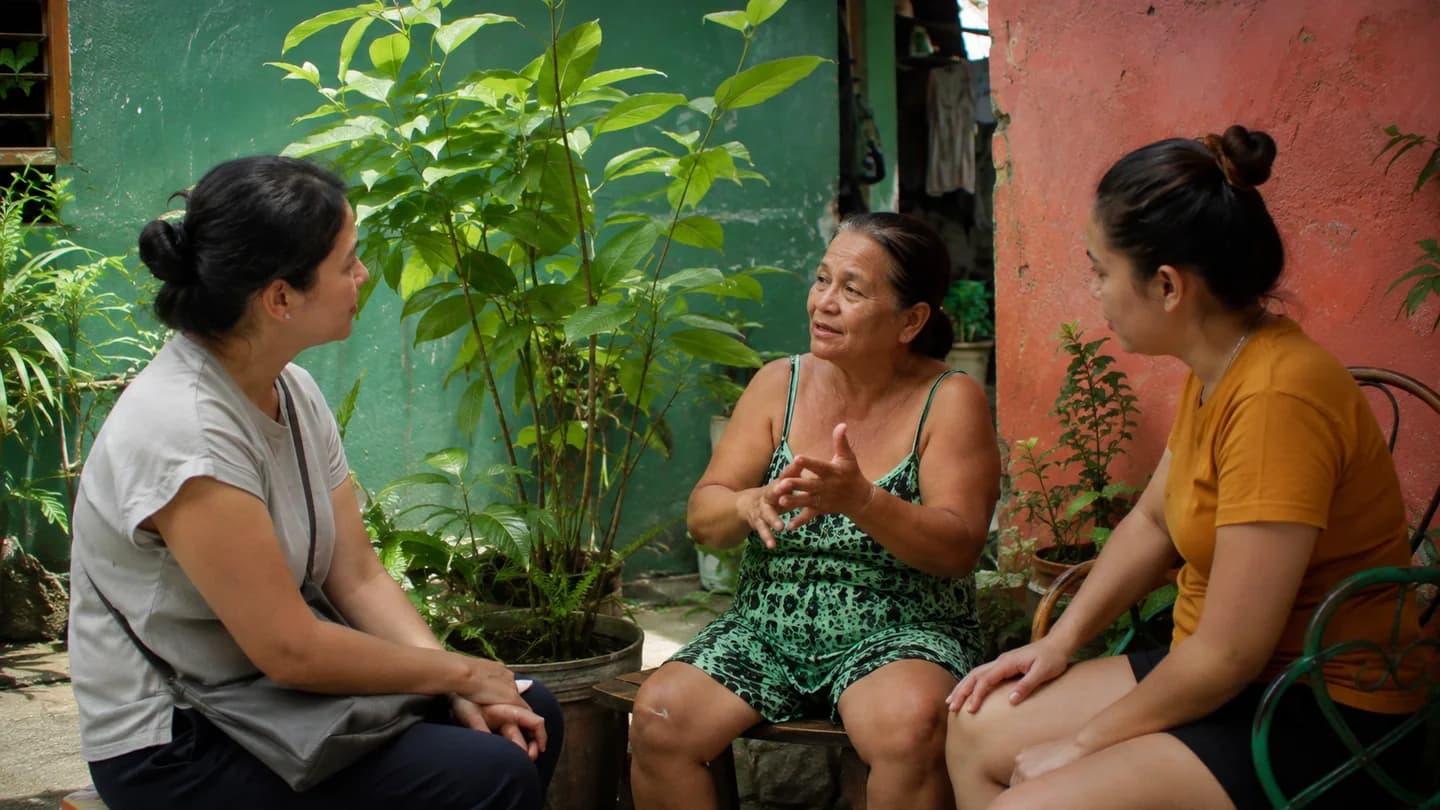
Begin with the person in front of you
Ask how someone would like to be addressed and which language works best for the conversation. Learn a few phrases used in the place where you are staying, but do not assume that one greeting or language choice suits every community. If you are unsure of a word, ask or use plain language rather than pretending to understand an important instruction.
The suggestions here are practical editorial advice, not claims that all Filipinos share a personality or communication style. Age, relationship, setting and individual preference can matter more than a rule from a travel article. Tourism information can help you identify the particular destination and local context; it does not describe every person who lives there.
Make invitations and arrangements clear
| Situation | A useful question |
|---|---|
| A meal or visit | What time works, and should I bring anything? |
| A shared outing | How will we divide the costs and get home? |
| A group photograph | Is everyone comfortable with the photo and where it will be shared? |
| A change of plan | I may be late; does the revised time still work for you? |
Confirm practical details such as location, timing, contribution, dietary needs and accessibility. An invitation may be warm and informal while the arrangements remain unsettled. Asking a short question is usually easier than resolving an avoidable misunderstanding later.
Do not confuse a polite response with agreement to a contract, price or personal request. Repeat the important part plainly: “To confirm, this amount covers these items and we will meet here.” Give the other person space to correct you. In a business transaction, put material terms in writing so neither side must rely on memory.
Disagree without turning it into a spectacle
Describe the specific problem and the outcome you need. For example: “The agreed item is missing; can we check the list together?” Keep the conversation private when possible and avoid jokes about nationality, income or accent. If you do not understand the answer, ask for it to be explained another way instead of increasing the volume.
Respect a clear refusal. You can ask one clarifying question about an unclear arrangement without treating persistence as a right to change someone's answer. Where money or legal obligations are involved, seek suitable advice or the official complaint process rather than trying to solve everything through personal persuasion.
Build habits that travel well
Listen before comparing everything with home. Ask before entering a private space, photographing people or sharing someone else's story. Acknowledge a mistake directly, correct what you can and learn the preference for next time. Notice how your own habits affect the interaction as well as what feels unfamiliar.
This is cultural guidance and information only. Use the DOT regional directory for official destination contacts when you need place-specific orientation, while treating the people you meet as individuals with their own expectations and boundaries.
Read next
Relationships, family and healthy boundaries · Compare places to live in the Philippines.
For a specific purchase dispute, the DTI consumer-complaint resource explains how to prepare the facts. For questions about a move, see consultations.
Sources and direct attribution
- Department of Tourism regional offices accessed September 5, 2026